So welcome back to another addition of wastewater talk (or in my speak shit talking). Today i want to discuss a few things on legislation for a wastewater that ends up on our lakes, rivers and oceans. However, i want to ‘flip the script’ a little and start this from really what i feel is an enraging poster i found on this news article.
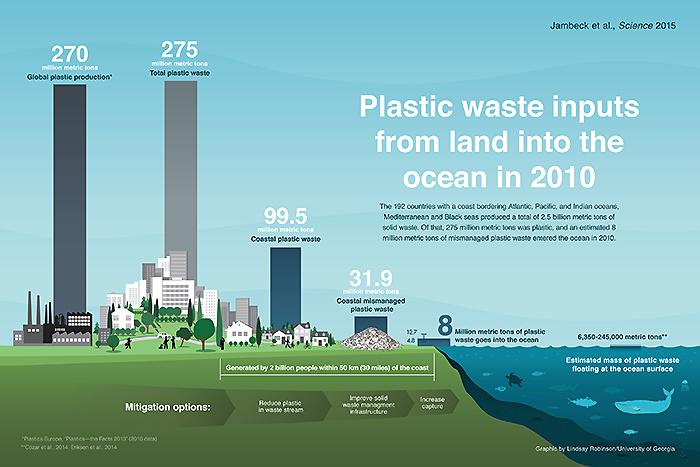
8 MILLION metric tons. Just try to imagine that for a second. That is the equivalent of 74,766 front loaders found on the mines of plastic waste in the ocean that was produced globally in 2010.
“In 2010 approximately 6,350 – 245,000 metric tons of plastic waste was estimated to be floating on the ocean surface!”
So why is this important you ask? Well lets look at Australia’s past and present for water pollution. In 2009 we had an oil leak and spill in the ocean and ocean dumping by both companies and individuals occurred in great numbers until legislation crackdowns in the 1990’s (it still happens even LEGALLY). I could go on but i want to go for a swim in the ocean filled with marine debris that cultivated bacteria that are both foreign and harmful to the marine life.
“With a legal permit ocean dumping still occurs in Australia despite a crackdown on ocean dumping in the 1990’s”
Let’s just examine that for just a moment. LEGAL permit for dumping in the ocean. You know what? That sound just fine and dandy that we can permit that but what exactly are we sending as a message for those of us who want the marine life to be there in the next 50 years and beyond?
There is also a cost impact associated with dumping in Australia. Well if we examine what the life bellow the water brings in revenue its approximately 50 BILLION dollars annually. Also I might add it is projected by the year 2025 that figure will double according to Global Compact Network Australia.
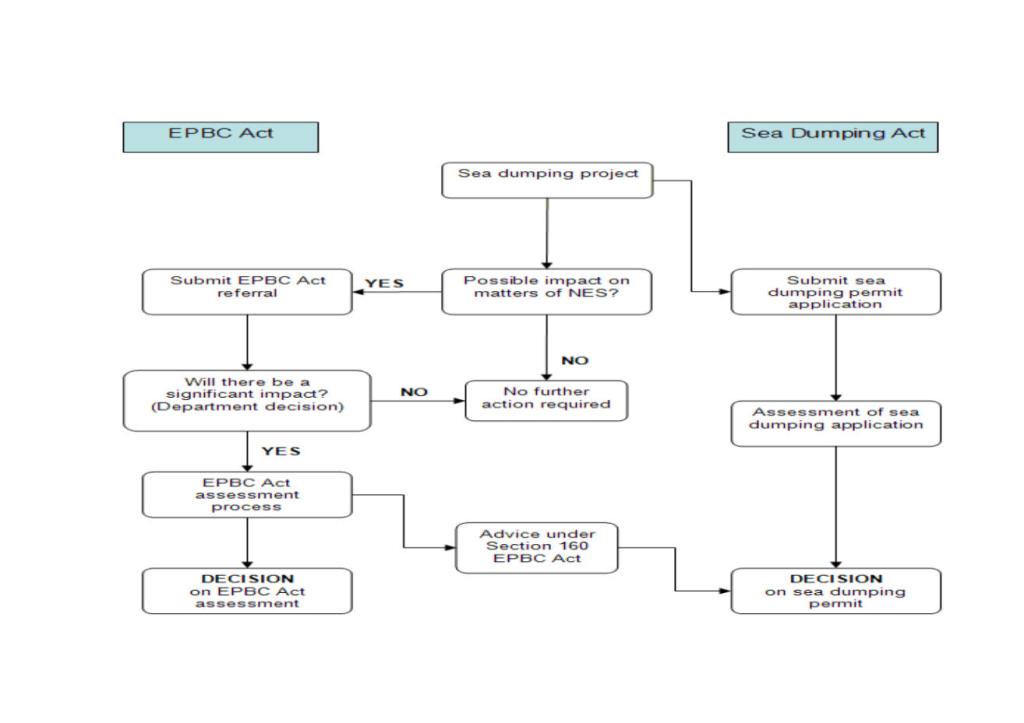
Now we know the problem, how about the legislation that is put in place to safeguard our waterways? As can be seen from the Australian Governments oceans dumping flow chart above there are mechanisms in place to reduce and even eliminate dumping from taking place within the oceans. However, I’d be asking the question of what else is there?
The trusted Sustainable Goal (SDG) 14
Now that you have had a chance to look at this all encapsulating picture of SDG 14, lets examine some of the important aspects of the Sea dumping legislation. According the department of Environment and Energy the Sea dumping legislation covers areas of: dredging, creation of artificial reefs, dumping from vessels and burials at sea (scatter my ashes). This is one example of legislation there are others that encapsulate land leading to the ocean dumping, acids into our waterways and much, much more.
“Australia has done a big a lot in the means of creating legislation to deter illegal dumping with dredging, preventing harmful chemicals in the water ways but are fines and warnings only one solution?”
Now I’m going to propose another question to you. Will getting a whopping big fine In the mail for putting fertiliser mixed with car soap going down the drain help? Thankfully Germany is here to help, thanks Angela Merkel!
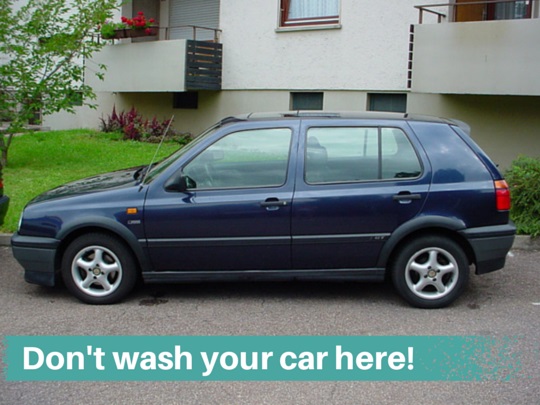
In Germany they have created a business in addition to legislation for wastewater pollution. Using my example above civilians in Germany are not allowed to wash their cars at home but rather at an ecofriendly hub creating a thriving industry. As the old saying goes that you can attract more bees with honey than vinegar. So my proposal is by combining the issues ‘bellow with the water’ and lets say through in some ‘industry, innovation and infrastructure'(SDG 9) why can’t well turn this from a tail of caution to a story of success?
I believe that we can turn legislation on wastewater pollution from just fines, permits and warnings to an opportunity to create legislation whereby doing ‘the right thing’ gets you more than just a pat on the head but rather money in your pocket and possibly a thriving business. I certainly believe that we as a society should be able to recycle waste, invest more in biofuel and create a magnet of opportunity for re-use rather than forgotten waste.
So lets balance the scales on good legislation and positive outlooks for reducing and ultimately eliminating waste that goes into our waterways.
#Legislatethatshitwasteaway
 YouPutWHATInY(our)water?!?