So in my previous blog we discussed what wastewater is exactly. It’s wonderful that we can define wastewater and go through the basics on how to treat it but what about the facilities to make that happen? So lets hit some hard statistics that come straight from the water corporation. Touching on the problem from the previous blog, it is projected that by the year 2060 Western Australia is going to have a shortage of water produced for the public and private industries.
“The rainfall trend projected for 2060 based on previous and current year predicts that the rainfall will generate approximately 50 Gigalitres against the demand of 365 Gigalitres .”
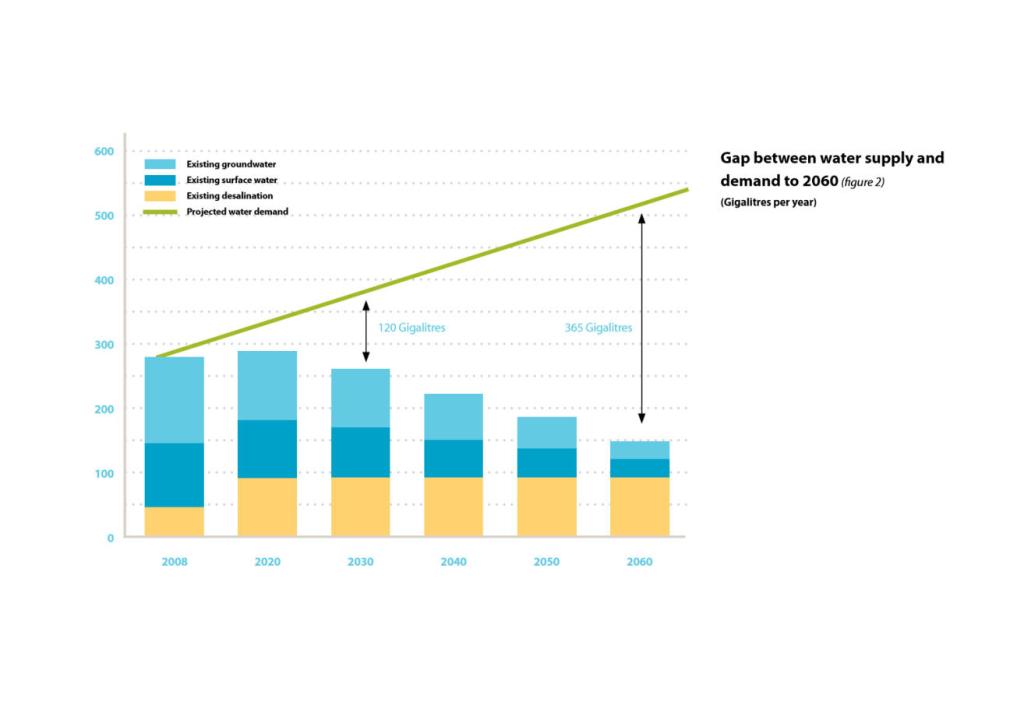
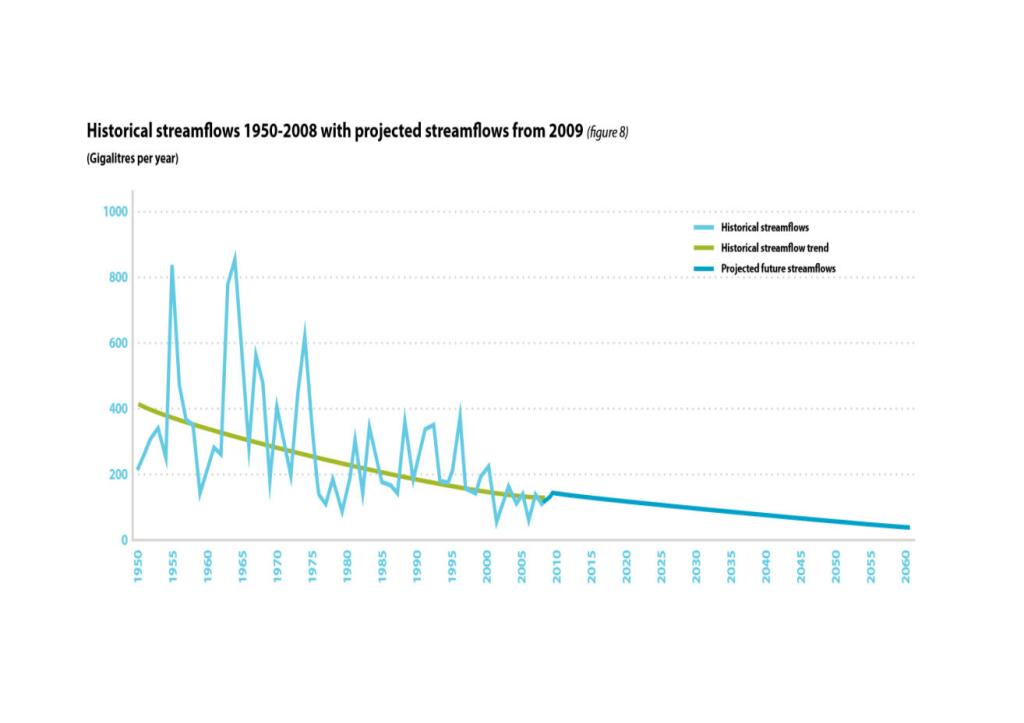
So we start to ask questions of how to meet that massive demand for water when the water corporation projects rainfall to keep decreasing. When looking at the rainfall data between 1911-1979 and finding that there is an average of 378 gigalitres of rain produced compared to todays rainfall average of less than 113 gigalitres we have to ask the question of where it did it all go wrong?
“It is quite alarming to put it mildly that the average rainfall data recorded for the past 100 years has shown a decrease of 70% of water produced. “
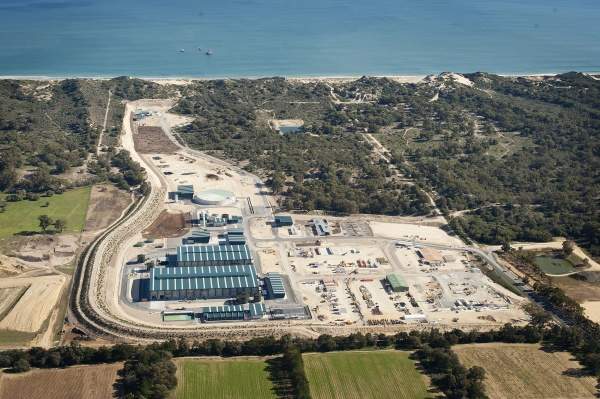
Now that we have introduced further the problem of water production we examine the infrastructure that is put in place. Currently it is reported via an interesting talk by Dr Steven Capewell that there is 3 desalination plants on the West Coast.
“The Southern Seawater Desalination plant is reported to be able to produce 100 gigalitres of water per year”.
So what does this mean for sustainability if we examine further what a Desalination plant does for converting sea water to drinking water? Well look at the cost for example. After a little research I’ve found that according to Australian Water Association a large scale desalination plant can produce up too 100 gigalitres per year at $1-4 per kilolitres. I’ll let you do the math but it comes out to approximately 1 Billion dollars a year in energy costs!
Another confronting statistic that just flew my way was the disproportionate amount of water supplied to urban homes through the use of Desalination plants compared to the recycled water from wastewater.
“In Perth alone there was a total of 96 Mega-liters of water supplied to residential homes compared to 7 Mega-liters” Bureau of Meteorology, National Water Account 2013 Summary, page 13
Imagine for a moment that this issue of water scarcity was similar to that of another resources provided like energy. We all see electricity prices going up don’t we? Yet there are homes that have solar panels on the roof that lower those costs down to manageable levels.
Now lets say that 35% of your yearly electricity came from solar panels that means a reduction of 35% in your power bills. However, if we examine desalination (lets call them western power) to that of your recycled water (lets call them solar panels in your house) we see the percentage difference in production is 27% (29% for desalination to 2% water recycled) in favor of Desalination plants for urban homes, which looks like a world with limited or no houses with solar panels.
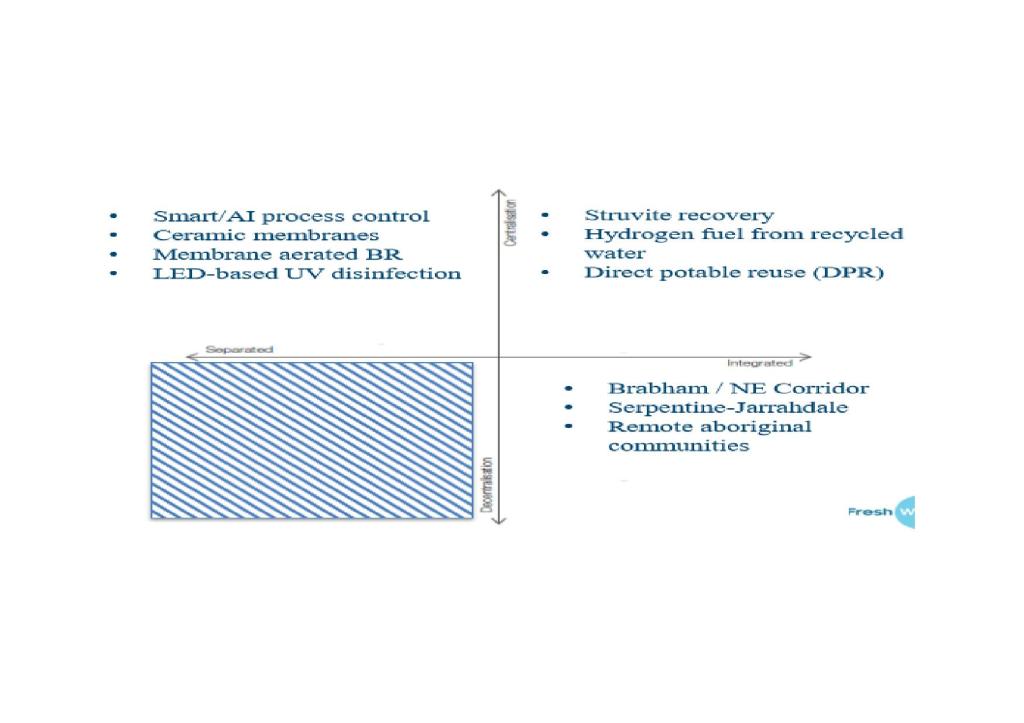
So what does this have to do with Sustainable Development goals (SDG) or specifically SDG 9, which tackles the issues of ‘Industry, Innovation and Infrastructure’? Well if we go back to the discussion given by Dr Steven Capewell, it was reported that the water corporation is recognising that it needs to move from a water system that is focused in onto itself (separated) and start inviting the public participation to gather water as a resource for themselves.
“The water corporation is moving away from an integrated isolated infrastructure system to a system that is both integrated and in partnership with that of rural communities to meet water supply demands in the future”.
Going back to the discussion of power generation, in this day and age there is a further incentive to use solar panels to produce power, in that excess power can be sold back to western power. Going forward into the future, couldn’t the idea of selling excess recycled water supply be another method of incentivising the general public to be more water conscious and environmentally friendly?
Personally i believe (this belief was also shared by Dr Steven) that future markets will open up for wastewater facilities to recycle water and control it as a marketable business in the future. This will lead; however, to a system that is more isolated and more focused on the rural communities.
So while water prices increase, there is an opportunity to tap into a relatively abundant resource readily available in wastewater, the question becomes how do we further enhance and disseminate technology to promote the use of wastewater as primary source for urban water usage?
#Build(Y)ourOwnWastewaterFacilities
 YouPutWHATInY(our)water?!?