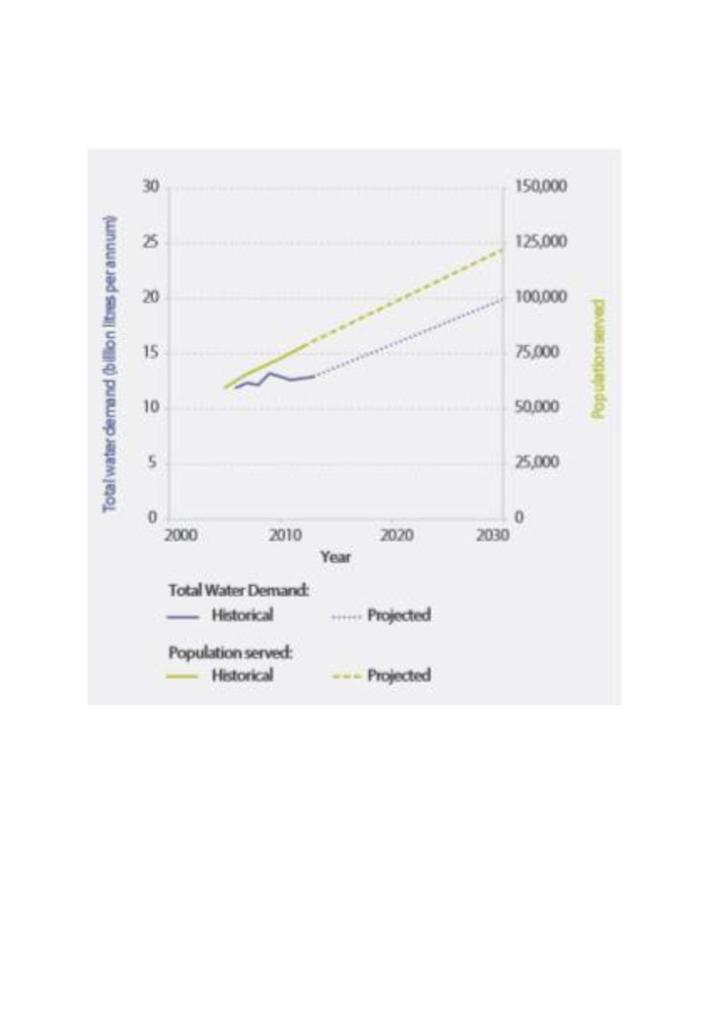
Let’s face facts. When was the last time someone who wasn’t educated in the realms of wastewater actually took the time to ask themselves the following: “Ohh gee I hope that toilet paper doesn’t affect our treatment plant” or “maybe if I pour a bit of fluoride into my toilet bowl it might lower the energy requirement for purifying the water”? Facts are indisputable and in the realm of economics we delve into the basics of supply verses demand of natural resources being what exactly….? You guessed it WATER. With a projected shortfall of 25 BILLION litres per annum of water expected by 2030 reported by the water corporation 2016 final report; we will explore the means we have at our disposal to elevate supply for a ever growing population through one of the many means being: wastewater treatment.
So lets ask ourselves a question as to what is Wastewater? If we were to do a little head scratching we might present ourselves with such answers as: crap, poo, piss, pee, vomit and all the bodily material that finds its way down our toilet bowl into the sewer line.
“If we actually took the leading charge on the issue instead of just reading the newspaper while dropping a ‘deuce’ we might expand our horizons and realise that waste can come in all forms that go into our drainage systems. “
If we were to think carefully, about what happened with the grease, left over carrots and dish detergent that you put down your drains last night we might ask “how do we define all these different contaminants in the scientific world”? Well the first step is to define the problem scientifically, henceforth we shall refer to waste water contaminants as: Constituents. Cool huh? Just don’t go calling registered voters waste.
We can jump into the world of wastewater Constituents a little further by breaking them down into three basic categories: physical, biological and chemical.
Physical constituents: are constituents that have solid form, such as: the turd you took today, the toilet paper you used right through to the assignment paper you’re ashamed of.
Biological constituents: are environmentally occurring microorganisms with examples such as: algae, fungi or bacterial.
Finally with chemical constituents: these are materials that have dissolved into the water adding to the waste water and can include a multitude of harmful chemicals, such as: Heavy metals, acids through to that purely white finish only obtained from bleach.
“These three types of constituents are considered primary, secondary and tertiary when treated as wastewater constituents physical, biological and chemical respectively. “
Where the physical treatments include the screening of materials or using sedimentation basins, chemical treatments including the use of Flocculants and Coagulants to remove lime, sludge thickening etc. and finally biological where biomass suspension (also known as activated sludge) is used to remove contaminants which is all done onsite in a wastewater treatment facility.
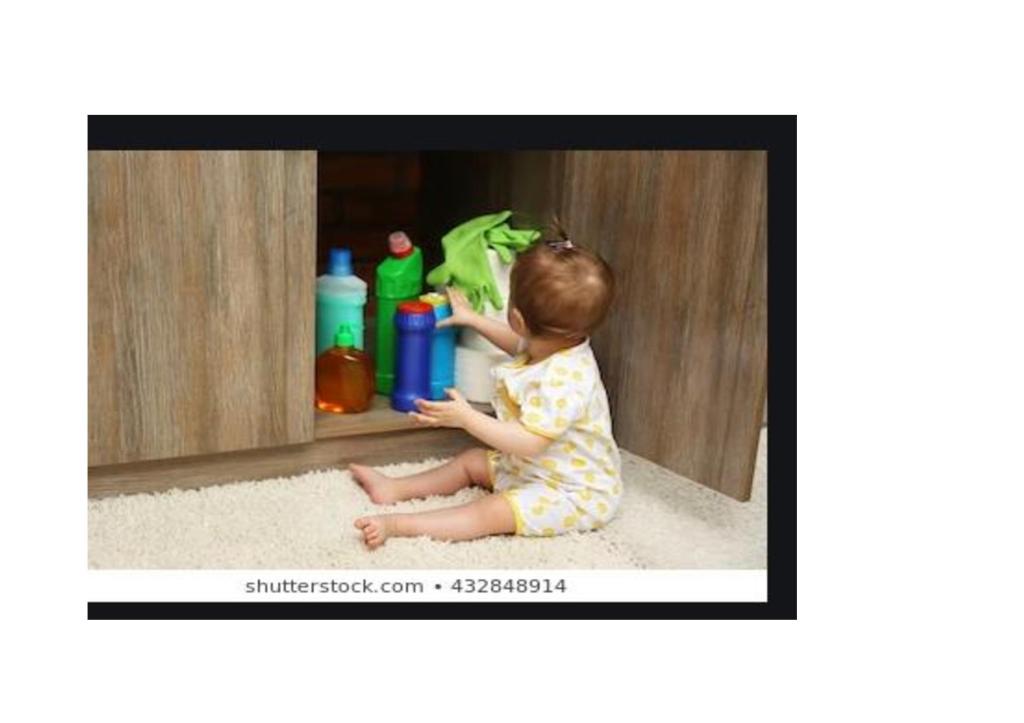
Lets look at one of these types, for example: tertiary treatment. Now that we know tertiary treatment refers to chemicals what sort of chemical could we examine? It so happens that I have one in mind lets examine DETERGENT. I know what you’re thinking.. that stuff that makes your eyes sore and you need plenty of ventilation for.. Yes! However, its also a chemical nightmare if not treated by our amazing wastewater facilities. To examine just a couple of the amazing properties; Phosphates – Linked to cardiovascular disease, osteoporosis and death, Formaldehyde – Used to preserve dead bodies, ohh and by the way it increases your risk of cancer.
“Formaldehyde is so harmful that the EPA calls it a ‘B1’ which means it is probably carcinogen when in contact with skin. This is what is being flushed down the toilet and into our treatment plants. “
However, detergent is only one of the many examples I shudder to think of in the realm of all the other chemicals and carcinogenic or lift threatening materials can be found both physically and biologically we often miss when examining what goes through our treatment facilities.
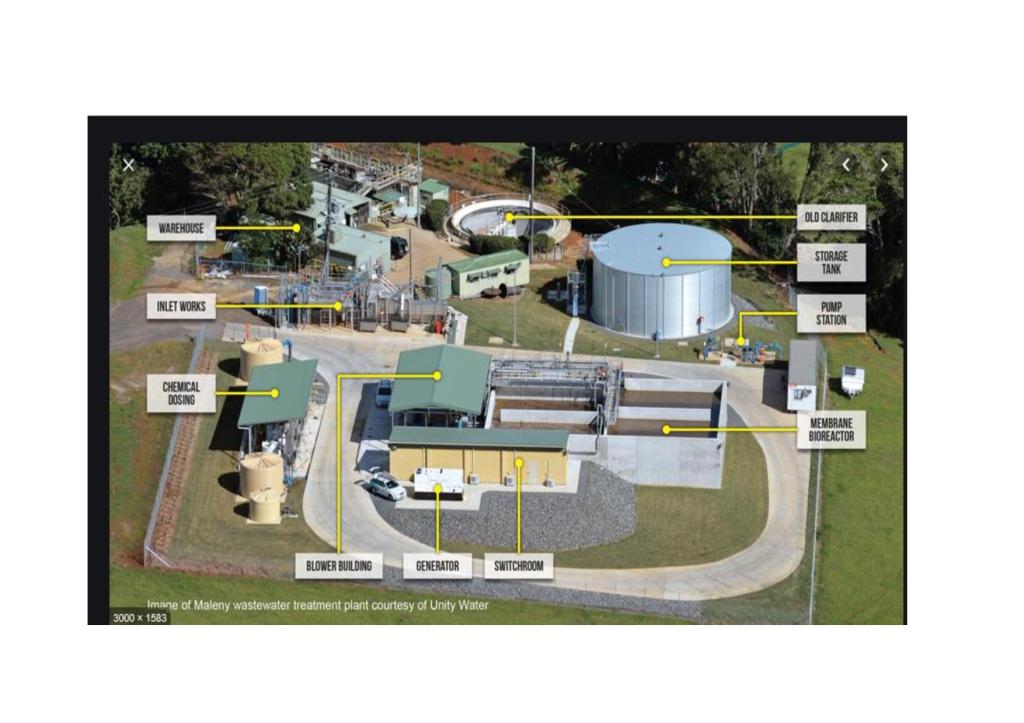
So with chemical treatment out of the way, what about the other two issues of physical and biological treatments or better still prevention? I mean I could discuss Sediment and membrane treatment over at the wastewater facility. Hell! I Could even have a cuppa with you over Biological treatment options like raingardens or even sprout Acronyms like: A20, MBBR, or TPAD. However, the only Acronyms that I think really could rock this forgotten boat are: SDG’s and SCSA.
“Thanks again for asking, yes SDG means I’m referring to Sustainable Development Goals and SCSA I’m referring to School Curriculum Standards Authority. “
But Wait! What do they have to do with a solution? Well haven’t you heard the saying, “prevention is better than the cure?” Getting students thinking, learning and discussing these issues from the time they enter primary school through to University or Tafe can be a way of unlocking many taken for granted issues and misconceptions about wastewater. I think it’s imperative we get kids asking the questions of what can we do for our part to help with SDGs for the future. Heck I’d love to see it offered as a subject in both middle and senior high school as both an ATAR and non-ATAR subject. This is an area where I think kids should be taken off to wastewater facilities and physically shown what the future of sustainable water consumption and supply is all about and get them engaged and passionate about the topic. So lets take more ownership over this topic.
#GET(Y)OURSHITTOGETHER
 YouPutWHATInY(our)water?!?